
Louise Powell, Underdogs

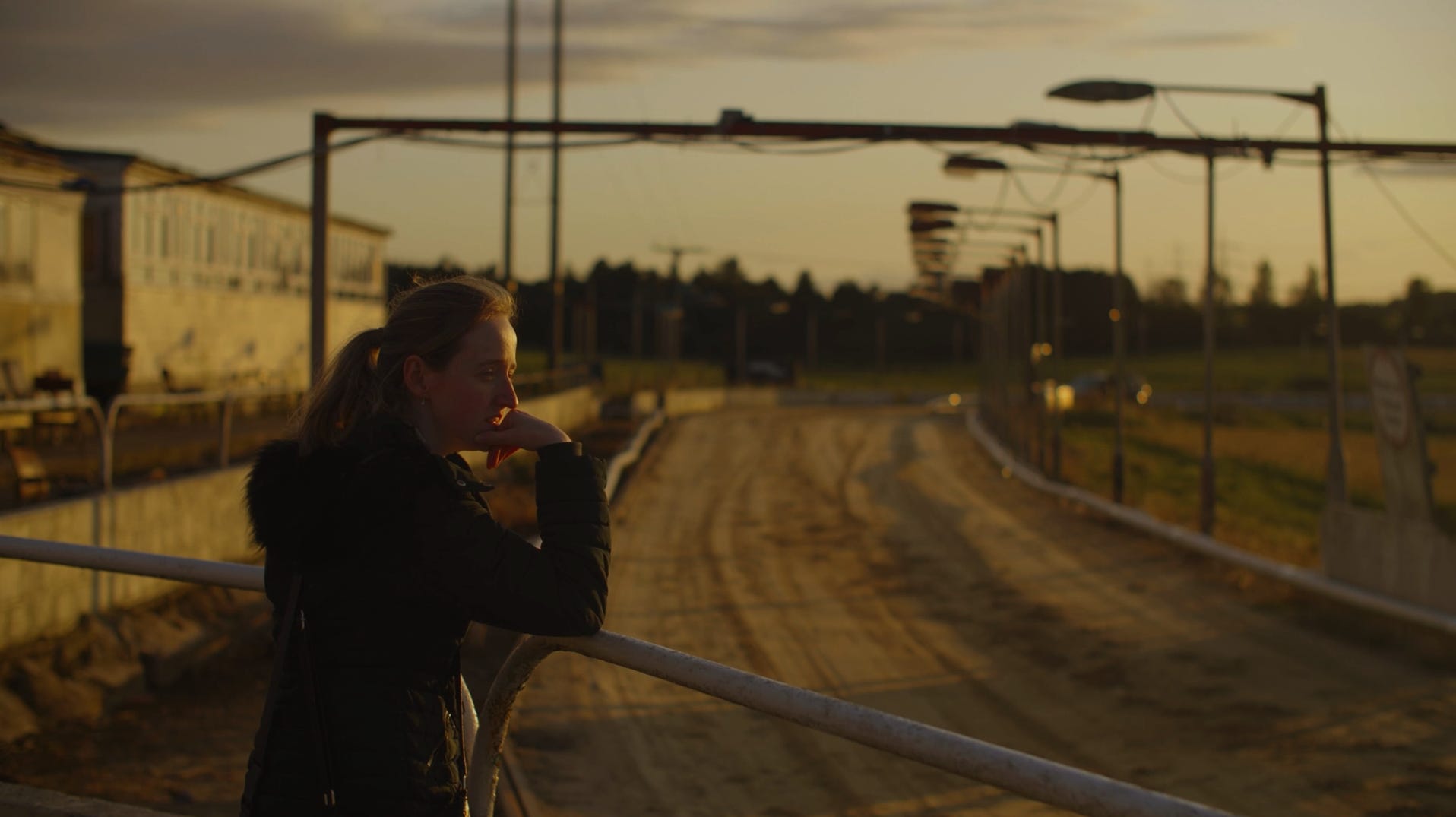
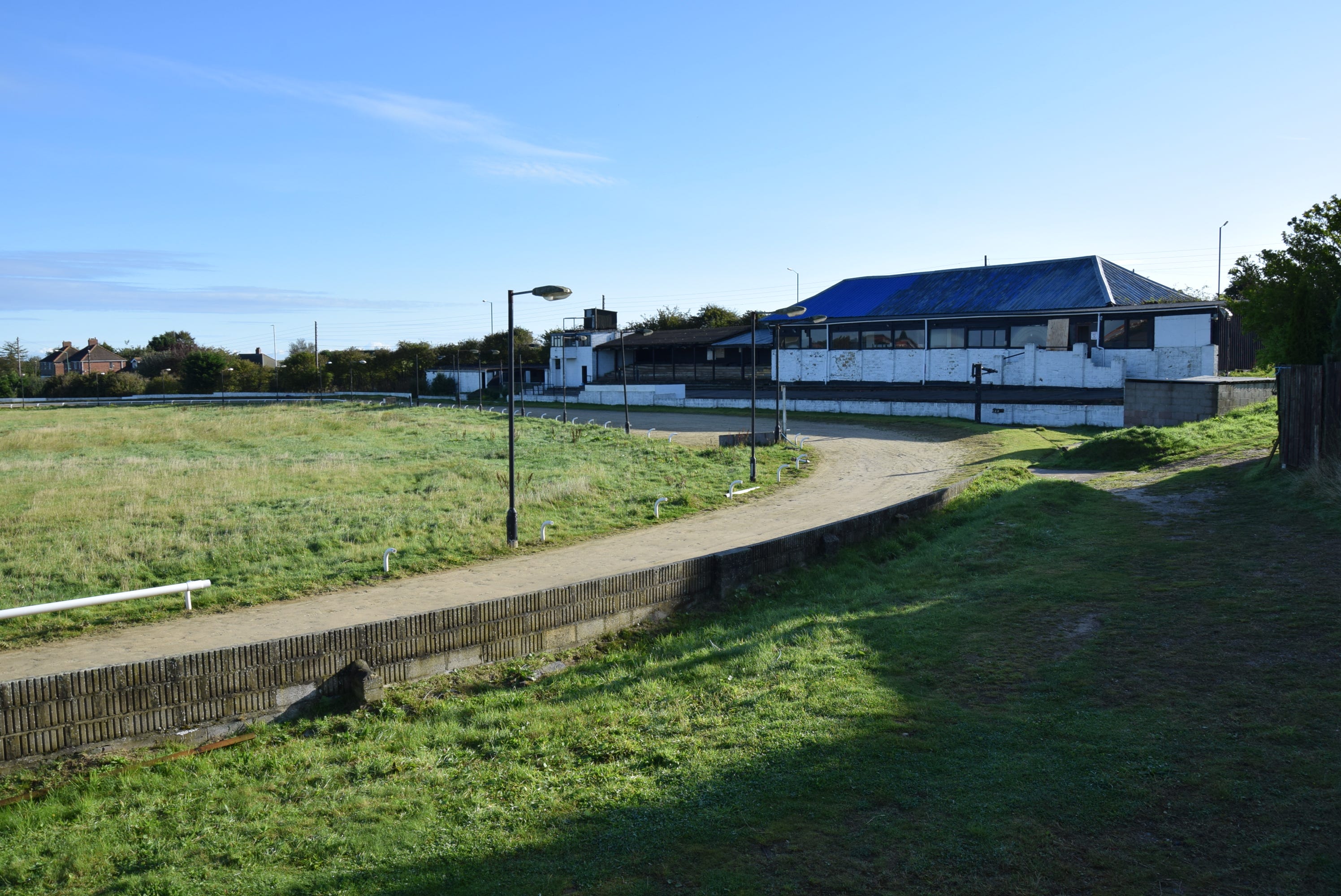
Greyhound racing, once a staple entertainment in the Northeast, celebrates 100 years in 2026. It’s not the happiest of anniversaries: legislation seeks to ban the sport in Wales, developers continue to hare after racetrack real estate. Meanwhile, the pit villages that once supported independent tracks have been hollowed out by deindustrialisation, the communities that once worked and played that shattered by decades of neglect.
It’s perhaps telling that the local newspaper where I work has received RSPCA press releases decrying “pervasive” welfare concerns but heard nothing from our remaining tracks nor the sport’s governing body.
Louise Powell’s debut novel, Underdogs, offers at least something to celebrate. It’s an authentic working-class voice, steeped in the characters and stories of the dog tracks. Her earlier project, Dogpeople, took a documentary view; now we’re back with a Kes-like fable of a family hoping a hound can transform its fortunes.
That’s not to suggest that this is derivative: Powell only read Barry Hines’ classic after completing Underdogs. While the works share a working class setting and have an animal as a central character, Powell’s George is not as painfully isolated as Billy Casper.
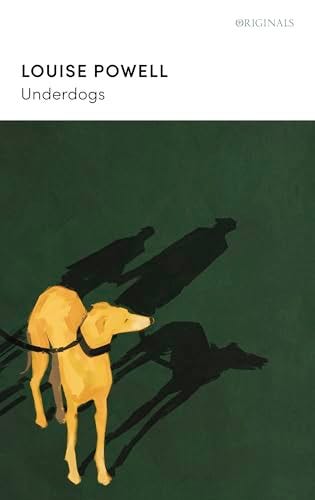
What they have in common is an eye for detail that convinces the reader from the first page. A fleeting reference to “the sorta aftershave ya can only buy from Fenwick’s” neatly captures the coalfield grasp of glamour. From the outside, a department store in Newcastle looks like a decidedly local interest; from within, especially for those going without, it’s a glimpse of an unimaginably high life. Here, that high life is personified by Bertie, a man who likes to be reminded of his prosperity whenever he sees his reflection.
By telling the story from George’s point of view, we see both the lure of beating the bookie and the paucity of opportunity in a world where the clearest path to financial stability involves either a lucky punt or winning an endless game of cat-and-mouse with the dog track and its resident bookmakers.
The dog track scenes are also well-captured. Powell grew up in the old “flapping” scene, the independent tracks that finally disappeared in the past decade or so, felled by fire, pandemic or a switch to licensed tracks. There’s slapstick in a frantic effort to feed boiled eggs to Goldilocks before she runs, slowing her down and thus bumping up her odds for future races. And there’s drama in the racing scenes, when the fate of the characters rests on a well-placed paw.
Underdogs evokes its East Durham setting effectively. The story unfolds around Easington Colliery in the bleak years after the pit closed. George’s father, Reg, is a former miner struggling with a double whammy of unemployment and the loss of his wife, George’s mam. Far from eloquent as an individual, he’s a character who speaks powerfully to the devastation of working-class communities that lost opportunity, identity, financial stability and any sense of self-worth when heavy industry was hollowed out. A real-life Reg lived in the world explored by Defiant, a recent documentary film detailing the impact of the Miners’s strike on places like Easington. But unlike the interviewees in that film (which continues to tour the region, details here), he and his family fall into the circle of silence, those too battered by circumstance to speak.
Powell captures this well, from the dialect used throughout the novel – Durham coast, not the author’s native Teesside – to the sharply observed matriarchs – absent and present – holding a fractured community together. There’s barely a spare syllable in her prose; descriptions bring people and place vividly off the page. Even a reader who never set foot on a dog track starts to feel at home in that world.
Underdogs is a work supported by organisations including New Writing North and Arts Council England. Given the gamble that drives the plot, it’s perhaps appropriate that National Lottery grant funds also contributed. And this backing is crucial – as Powell herself acknowledges – in taking the marginalised voices of the Northeast and getting them into print. Powell proves we have both the stories to tell, and the authors to tell them.
Underdogs was released on July 2. It’s available in paperback, ebook or audiobook from bookshop.org.